Tokenized RWA surge to $4T may push LINK to $200 by end-2030: Standard Chartered

 Written by Zoltan Vardaistaff writerReviewed by Yohan Yunstaff editor
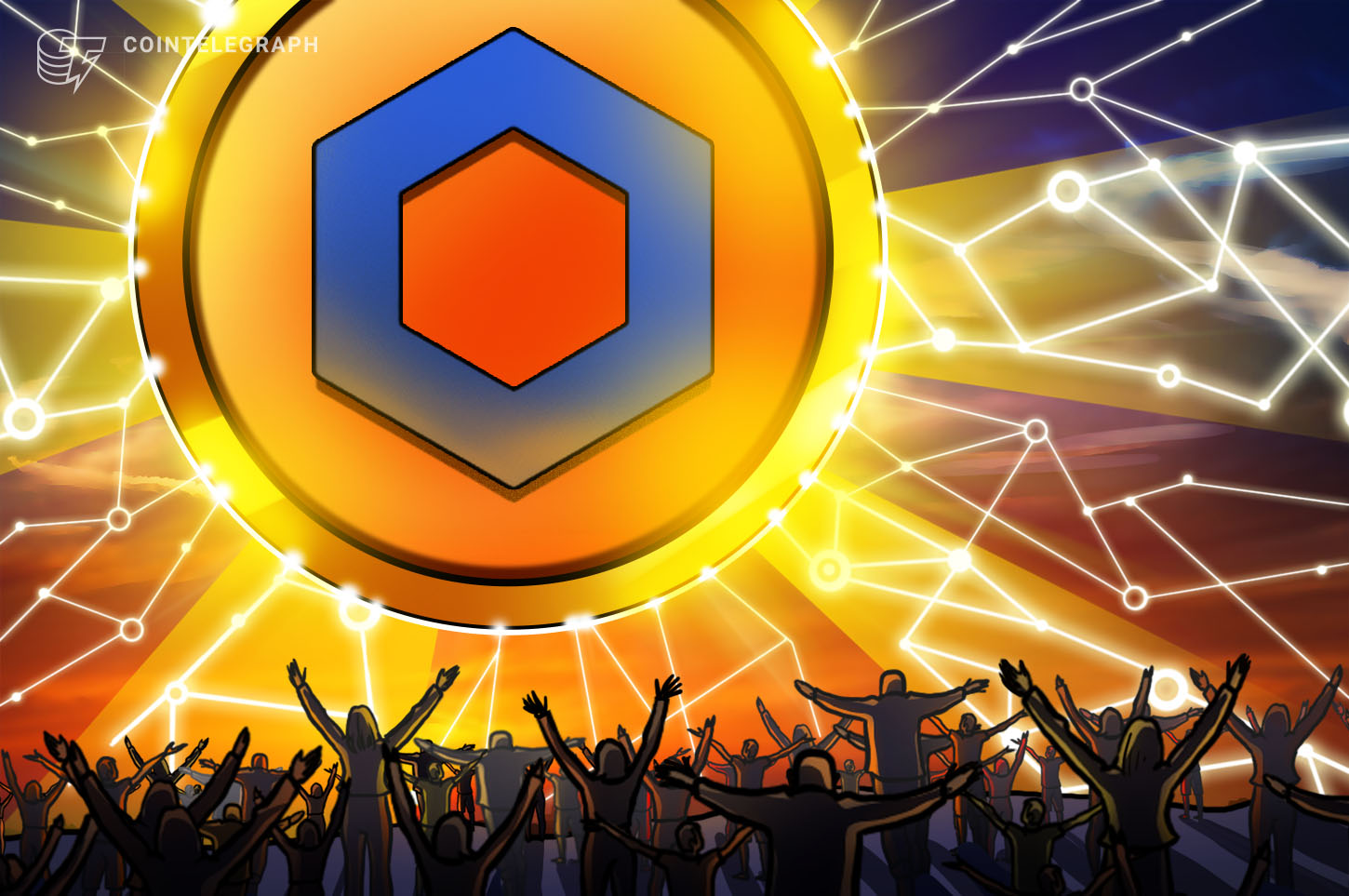
The LINK token may see a 25-fold increase to $200 by the end of 2030, as the growing real world asset market increases demand for the industry’s largest oracle services provider, according to Standard Chartered.
The Chainlink (LINK) token may see an more than 25-fold increase by the end of the decade, as tokenized real world assets (RWA) will reach $4 trillion by the end of 2028, according to a forecast by Geoff Kendrick, the global head of digital asset research at Standard Chartered.
Kendrick said that the growth in tokenized assets will require more external data to come securely onchain, which may increase Chainlink’s fee generation and push its LINK token to $200 by the end of 2030, up from $8 today, according to a Monday report shared with Cointelegraph.
The report also forecast a 37-fold rise in tokenized and crypto-native assets deployed in decentralized finance, pushing these assets to $2.7 trillion by the end of 2030. Kendrick said these assets will require trusted data, interoperability between networks, privacy-preserving compliance and integrations with existing financial systems, which “only Chainlink is currently equipped to provide.”
The report follows growing demand for tokenized assets. Tokenized RWA trading on decentralized exchanges (DEXs) reached a new all-time high of $141 billion in July, marking a 19.5% monthly rise largely driven by public equities, according to data provider CryptoRank.
Chainlink is the blockchain industry’s leading decentralized oracle provider for crosschain communication, with $34.4 billion in total value secured. Chronicle ranks second with $7.36 billion, according to data aggregator DefiLlama.
Standard Chartered’s Kendrick said that potential risks to its Chainlink price forecast include slower-than-expected institutional tokenization initiatives, competition from specialist oracle providers and potential technical setbacks.
Magazine: What NYSE’s exploration of onchain systems means for financial markets


Subscribe to daily byte-sized crypto news from Cointelegraph
More on the subject