A $2 trillion asset class is getting a new blockchain rail
ADI Chain's job is to turn those deals into blockchain tokens and handle payments using stablecoins (digital tokens pegged 1-to-1 to real currencies like the UAE dirham or the U.S. dollar), so money moves instantly without a traditional bank wire. For now, this is aimed at "qualified institutional participants," or large, vetted investors, not everyday retail buyers.
Shipfinex CEO Capt. Vikas Pandey said the partnership would let the company "create a regulated digital route into this market, with every instrument tied to a real vessel, its economics and its legal structure."
No maritime asset tokens have been issued yet and Shipfinex doesn't yet have a green light to do so. Its regulatory clearance from Dubai's Virtual Asseets Regulatory Authority is an "In-Principle Approval" — a preliminary thumbs-up confirming it has passed an initial background check, not a finished license to operate.
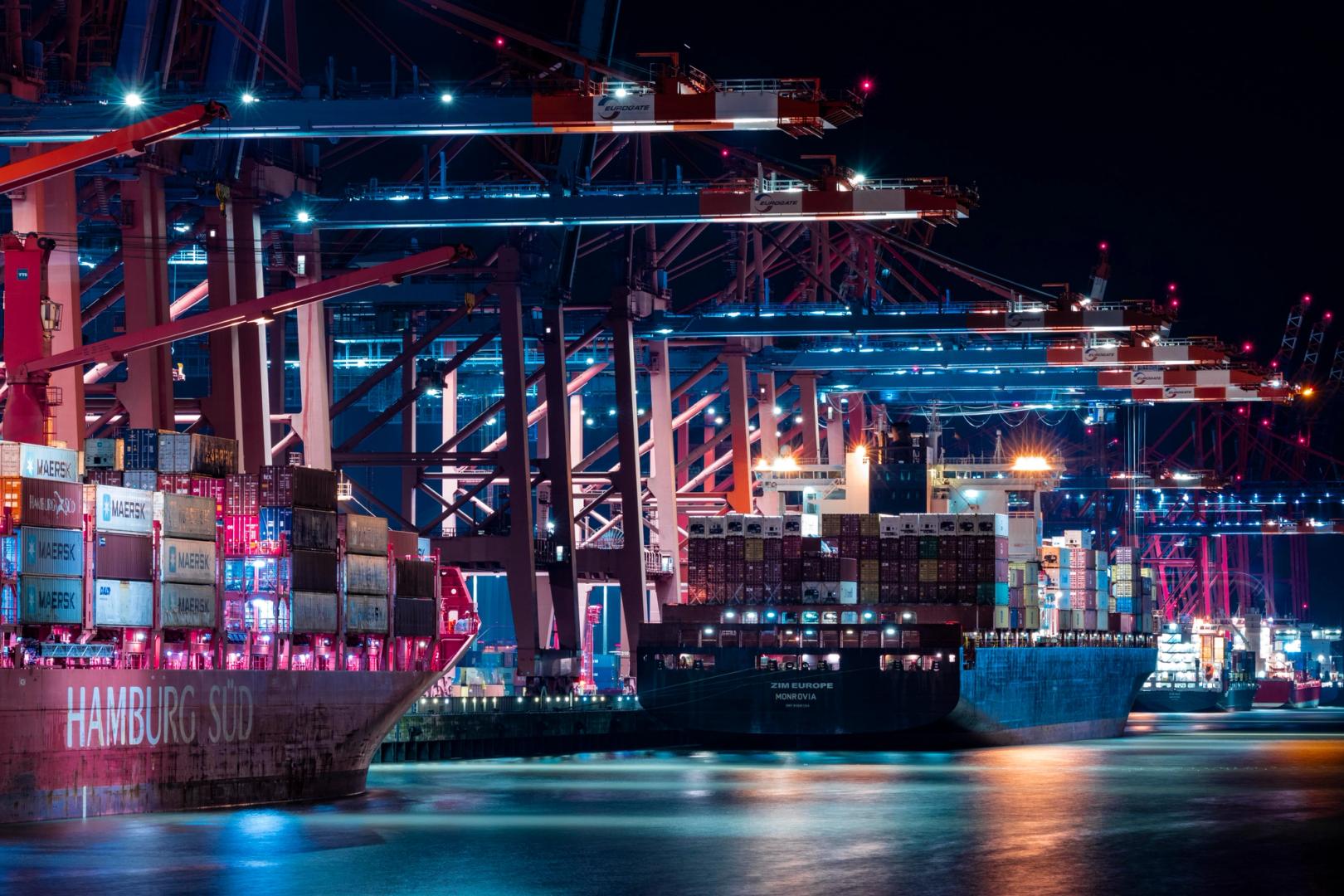
Nevertheless, Shipfinex has earmarked around 35 vessels worth about $500 million combined as candidates for tokenization, once the regulatory approval and deal structure are finalized. Each ship will eventually sit in its own separate legal entity, so if one ship runs into financial trouble, it doesn't drag down investors in the others.
Buying a token, once one becomes available, could mean one of a few different things for the institutional investors, depending on how each deal ends up being structured. It could mean a loan backed by the ship (similar to earning interest on a loan), a share of the money the ship earns from shipping contracts, or a broader economic stake in the vessel's value.